

Luck versus skill which one truly dominates in gambling
The Nature of Luck in Gambling
Luck is a fundamental concept in gambling, often perceived as the primary driver of success in games of chance. Many gamblers enter a casino or online gaming platform with the hope that luck will favor them, believing that random outcomes can lead to big wins. This perception is deeply rooted in human psychology; the thrill of a possible windfall can make any game exhilarating. For instance, when spinning the reels of a slot machine, players might feel that a streak of good fortune can change their lives in an instant, even if the odds are statistically against them. Additionally, sites like Vipzino offer various opportunities to engage with this exhilarating experience.

Despite the allure of luck, it’s essential to recognize its limitations. Luck is unpredictable and can fluctuate wildly in a short period. A player may win several hands in a row, only to face a series of losses shortly thereafter. This inconsistency emphasizes that while luck can lead to short-term wins, it is not a reliable strategy for long-term success in gambling. Understanding this can help gamblers manage their expectations and approach gaming with a clearer mindset.
The role of luck can also be illustrated through various types of games. In games like roulette or slots, luck plays a predominant role, as outcomes are entirely random. On the other hand, even in games perceived as luck-based, such as poker, skill plays a crucial role. Players who can read their opponents and understand the odds often have a significant edge, highlighting that luck, while influential, is not the only factor at play.
The Role of Skill in Gambling
Skill can significantly influence outcomes in various gambling scenarios, particularly in games that require strategy and decision-making. For example, in poker, players must analyze their hand, assess their opponents, and employ tactics to maximize their chances of winning. Skillful players leverage their understanding of probabilities, psychology, and game dynamics to create a competitive advantage. This strategic dimension sets skill-based games apart from purely luck-based games.
Moreover, honing skills takes practice and dedication. Many successful gamblers invest considerable time studying strategies, analyzing past games, and understanding the mathematics behind the odds. This commitment to skill development distinguishes casual players from those who approach gambling with a professional mindset. Individuals who develop their skills can often achieve more consistent results over time compared to those who rely solely on luck.
However, it is important to note that even skilled players can encounter periods of bad luck. In games like blackjack, a skilled player might make all the right moves yet still lose due to unfavorable card draws. This unpredictability serves as a reminder that while skill is a powerful tool, it cannot completely eliminate the element of chance in gambling. The interplay between luck and skill creates a dynamic environment where both factors can shape outcomes in unexpected ways.
Historical Context of Gambling
The history of gambling is as varied and fascinating as the games themselves. From ancient civilizations engaging in dice games to the establishment of modern casinos, gambling has evolved alongside society. Early forms of gambling were often tied to rituals or community events, where chance was perceived as a means of engaging with the divine or fate. Over time, these practices developed into structured games that are familiar today, showcasing humanity’s enduring fascination with luck and chance.
As casinos emerged, particularly in the 17th and 18th centuries, they began to formalize the gambling experience. The introduction of rules and structured gameplay shifted the focus towards strategy and skill, especially in card games and table games. This evolution marked a significant change, allowing players to not only rely on luck but also enhance their success through strategic play. This historical context enriches the current understanding of gambling, illustrating how perceptions of luck and skill have shifted over time.
Additionally, the rise of online gambling platforms in the 21st century has transformed the landscape, making games accessible to a wider audience. Players can now engage in a variety of games from the comfort of their homes, further blurring the lines between luck and skill. The historical evolution of gambling reflects a continuous dialogue between these two elements, shaping how players approach their gaming experiences today.
The Psychological Aspects of Gambling
The psychological elements of gambling play a critical role in how players perceive luck and skill. Cognitive biases, such as the illusion of control, can lead gamblers to believe they have more influence over outcomes than they actually do. For instance, players might feel that they can influence the result of a slot machine by choosing when to press the button, despite the game’s inherent randomness. This psychological phenomenon underscores how luck can cloud judgment and affect decision-making.
Additionally, the emotional highs and lows experienced during gambling can significantly impact behavior. Winning can lead to feelings of euphoria and encourage further gambling, while losing can trigger frustration and the desire to chase losses. Understanding these psychological factors is essential for responsible gambling. Players who can recognize when their emotions are influencing their decisions are better positioned to approach gambling in a balanced manner.
Incorporating strategies that blend both skill and luck can help players navigate the gambling landscape more effectively. Whether employing bankroll management techniques or recognizing the limits of one’s skill, a psychological awareness can enhance the overall gaming experience. By understanding the interplay of luck and skill, gamblers can enjoy the thrill of the game while making informed choices that promote responsible gaming behavior.
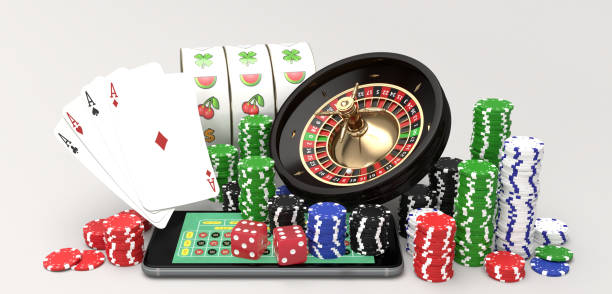
Vipzino Casino: A Balanced Gaming Experience
Vipzino Casino represents a modern approach to online gambling, offering players a balanced mix of luck and skill opportunities. With an extensive selection of over 1,000 games, including slots, table games, and live dealer options, it caters to a diverse range of players. The platform complies with UK Gambling Commission standards, ensuring safety and fairness, which is essential for fostering a trustworthy gaming environment. This commitment to player safety reflects an understanding of the importance of both luck and skill in gambling.
The user-friendly interface of Vipzino Casino enhances the gaming experience, allowing players to easily navigate between games and promotions. With a welcome bonus of up to £450 and 250 free spins, new players can explore various gaming options, whether they prefer games of chance or skill-based strategies. This welcoming approach helps bridge the gap between novice and experienced players, encouraging everyone to find their niche in the world of gambling.
In conclusion, as players engage with the dynamic offerings at Vipzino Casino, they encounter a unique blend of luck and skill. Understanding the historical context and psychological factors at play enriches the overall experience, allowing players to appreciate the thrill of gambling while making informed decisions. As such, Vipzino Casino not only provides a platform for entertainment but also fosters a responsible gambling atmosphere that emphasizes balance in all aspects of gameplay.